Winning Car Disqualified After Post-Race Inspection Reveals It Was Powered By Hamsters on a Wheel

The Unexpected Disqualification: How Hamsters on a Wheel Powered the Winning Car
In the world of competitive racing, the pursuit of victory is relentless, and teams go to extraordinary lengths to gain even the slightest edge. From cutting-edge technology to complex aerodynamics, innovations often push the boundaries of what’s possible. But sometimes, the most unconventional methods are employed — methods that challenge ethics, regulations, and the very spirit of sport. Such was the case in the recent championship race at the famed Silver Valley Circuit, where the winning car was disqualified after a post-race inspection revealed that it was powered by an unlikely source: hamsters running on wheels.
The Race: An Epic Battle for Glory
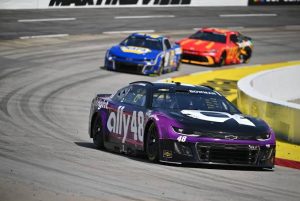
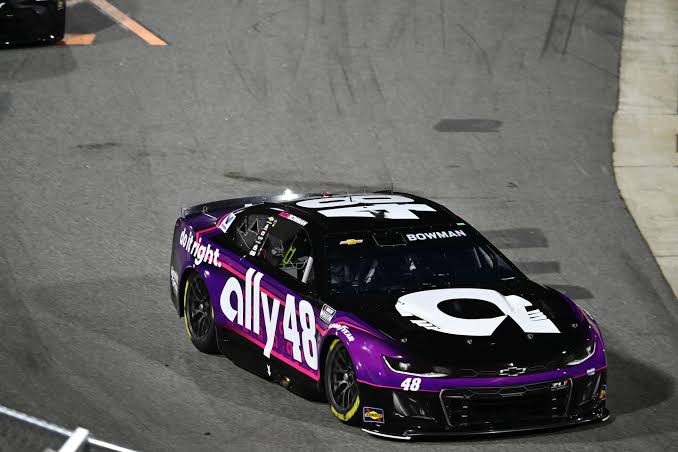
The event was billed as one of the most exciting races of the season. The competition was fierce, featuring the best drivers and teams from around the world vying for the coveted championship trophy. Among them, Team Velocity had been the favorites, boasting cutting-edge hybrid technology and meticulous engineering. Their flagship vehicle, the Vortex 9, was a sleek, aerodynamic marvel, designed for speed and efficiency.
The race itself was a nail-biter. The Vortex 9 and its main rival, the Lightning Bolt from Team Thunder, exchanged leads multiple times. Spectators were on the edge of their seats as the cars darted through tight corners, accelerated down straightaways, and pushed their limits. The tension was palpable.
In the final laps, Team Velocity’s Vortex 9 surged ahead, crossing the finish line first and claiming victory. Cheers erupted from the crowd, and the team celebrated their hard-earned success. It seemed like a perfect end to a thrilling race.
The Post-Race Inspection: An Unforeseen Revelation
As per regulations, the winning vehicle underwent a mandatory post-race inspection. Officials examined every aspect of the car: engine performance logs, fuel systems, electronic components, and safety features. The process was routine but thorough, aiming to ensure fairness and adherence to rules.
However, during the inspection, an anonymous technician working with the regulatory body noticed something peculiar. Hidden beneath the car’s chassis, in a concealed compartment, was a small, intricately constructed wheel connected to a series of tiny pulleys and gears. It was a miniature hamster wheel, no larger than a dinner plate, but connected to the car’s power system in a way that raised immediate suspicion.
The technician alerted the head inspector, who ordered a full dismantling of the vehicle. As the team carefully disassembled the car, they uncovered an astonishing discovery: the entire powertrain of the Vortex 9 was being driven by a network of hamsters running on wheels, each hamster connected via a complex system of pulleys, belts, and gears to the car’s drive shaft.
The Shocking Evidence: Hamsters and a Mechanical Marvel
The evidence was irrefutable. Dozens of hamsters, each housed in specially designed enclosures, were running on wheels. These wheels were mechanically linked to a system that translated their running motion into rotational energy, which then powered the car’s propulsion system. The entire setup was concealed within the vehicle’s chassis, cleverly disguised to pass visual and electronic scrutiny.
The entire contraption was a marvel of ingenuity—if also a blatant violation of the racing regulations. The regulatory body confirmed that no rule explicitly prohibited animal-powered mechanisms, but the spirit of fair play and safety regulations clearly forbade any external, non-human energy sources that could give an unfair advantage.
The Fallout: Disqualification and Public Outrage
The news of the hamster-powered engine spread rapidly, igniting a firestorm across social media, sports news outlets, and the racing community. Many were stunned, some amused, and others outraged.
**Fans and commentators** debated fiercely. Some dismissed the incident as a bizarre prank or a stunt gone too far, while others argued that it was an unethical exploitation of animals. Animal rights organizations quickly issued statements condemning the use of hamsters in such a manner, emphasizing the potential stress, confinement, and harm caused to the rodents. The team behind the vehicle issued a terse apology, claiming that their intent was “to push the boundaries of innovation,” but that they understood the violation and would accept the consequences.
**Regulators** responded swiftly. The race officials disqualified the Vortex 9, stripping Team Velocity of their victory and awarding the championship to the runner-up, Team Thunder’s Lightning Bolt. The disqualification was a stark reminder that cheating, no matter how inventive, would not be tolerated.
Legal implications also emerged. Animal welfare authorities launched an investigation into the treatment of the hamsters, and questions arose about the legality of using animals as power sources in sports. The team faced potential fines, sanctions, and even criminal charges if found to have mistreated the animals.
The Ethical Dilemma: Innovation vs. Fair Play
The incident sparked widespread debate about the ethics of innovation in sports. On one hand, human ingenuity continually pushes the limits of what’s possible, often leading to groundbreaking technologies. On the other hand, the use of animals in this manner raised serious moral questions.
Many critics argued that employing hamsters as living batteries was inherently unethical. Animals should not be exploited for competitive advantage or entertainment, especially when their welfare is compromised. Others pointed out that the rules of racing are designed to ensure a level playing field, which this clearly violated.
Some advocates for innovation defended the team’s creativity, suggesting that if regulations did not explicitly prohibit such methods, perhaps the rules needed updating. However, most agreed that animal cruelty could not be justified, regardless of technological ingenuity.
The Broader Impact: Changes in Regulations and Perceptions
In the aftermath, racing governing bodies announced a comprehensive review of their regulations. New rules were drafted to explicitly prohibit external energy sources, including animals, mechanical devices, or any other non-human power aids, to prevent similar incidents.
The case also prompted broader discussions about ethics in technological development. As engineers and teams seek novel ways to improve performance—such as biohybrid systems, artificial intelligence, or other emerging technologies—they must balance innovation with safety, fairness, and morality.
The Team’s Response and Future Actions
Team Velocity’s crew expressed regret for their methods but also pride in their inventive spirit. They pledged to focus on legal, ethical innovations moving forward. The team’s principal, Mark Donovan, issued a public apology: “We crossed a line in our quest to innovate. Our goal was never to harm animals or undermine the spirit of competition. We accept the sanctions and will strive to do better.”
Some in the racing community called for stricter enforcement and more explicit rules to prevent such creative, yet unethical, tactics. Others saw the incident as a wake-up call to reinforce integrity and sportsmanship.
The Cultural Phenomenon: A Cautionary Tale
The hamster-powered car became an instant cultural phenomenon. Memes flooded social media, depicting hamsters in tiny racing suits, spinning their wheels furiously, with captions like “Hamsters on Wheels: The Fastest Rodents in Racing” or “When Innovation Goes Nuts.”
Documentaries and opinion pieces debated whether this was a sign of racing’s creative spirit or a disturbing trend toward exploiting animals for entertainment. Animal rights activists organized protests and educational campaigns about the importance of ethical treatment of animals.
Reflections on the Human Drive for Innovation
The saga of the hamster-powered Vortex 9 serves as a potent reminder of the human drive to push boundaries—sometimes in ways that challenge ethics and morals. Innovation is essential for progress, but it must be tempered with responsibility and respect for all living beings.
It also highlights the importance of clear regulations and oversight. In a sport driven by technology and ingenuity, rules must evolve to prevent misuse and ensure that competition remains fair and humane.
Conclusion: An Unforgettable Lesson
The disqualification of the hamster-powered winning car was a shocking, yet ultimately enlightening event in the history of racing. It underscored that no matter how clever or inventive a method might seem, it must align with ethical standards and the fundamental spirit of fair play.
While the team behind the contraption faced consequences, their audacity also sparked important conversations about innovation, morality, and the future of motorsport. The incident became a cautionary tale for all: that true progress respects the boundaries of morality, and that creativity must be balanced with compassion.
In the end, the race at Silver Valley will be remembered not just for the thrilling competition, but for the extraordinary lesson it imparted—that the pursuit of victory must never come at the expense of integrity or compassion