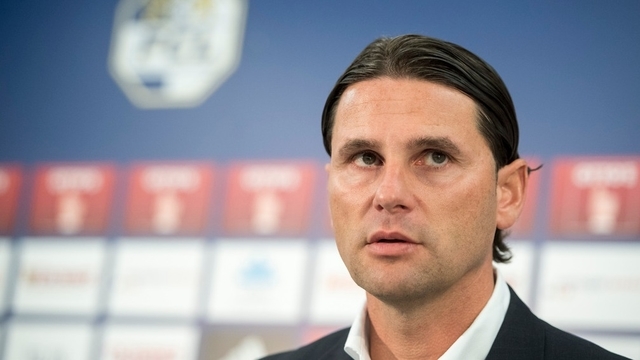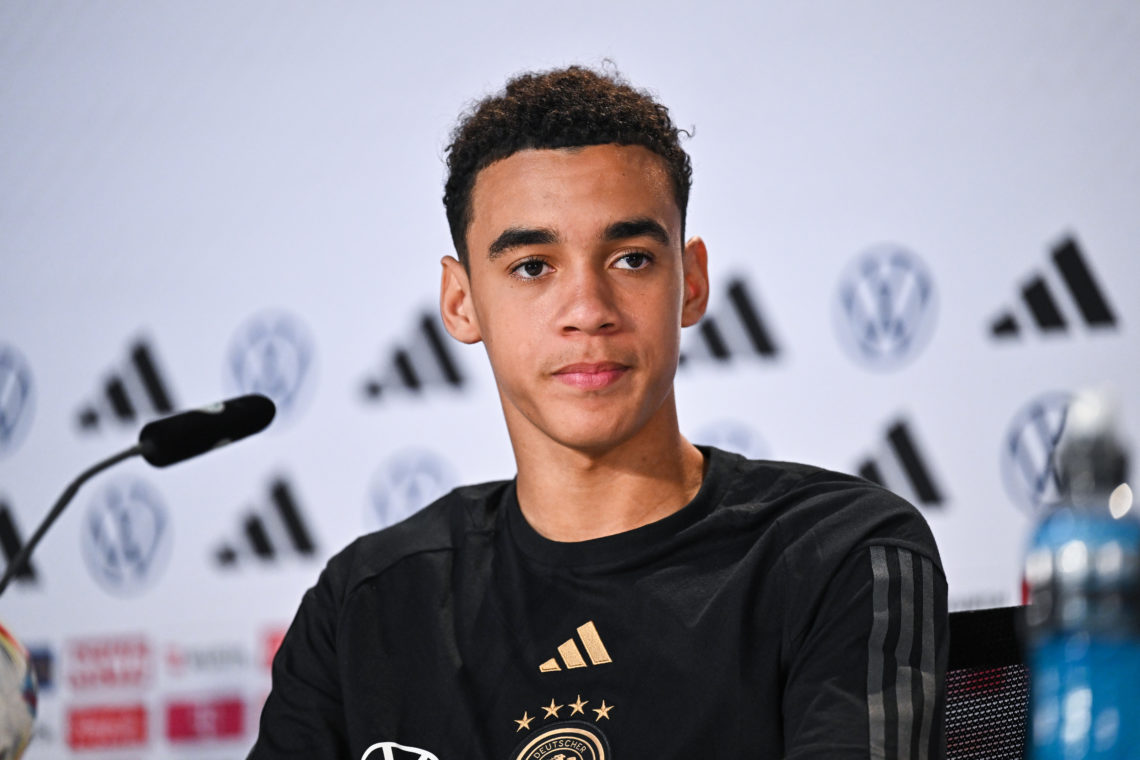
“Gute Nachrichten: Borussia Mönchengladbach Star-Spieler enthüllt seine Absichten nach dem Ausscheiden Deutschlands bei der Euro, indem er in einem Interview klarstellt, dass…”


**Gute Nachrichten: Borussia Mönchengladbach Star-Spieler Rocco Reitz bekräftigt nach dem Aus der deutschen Nationalmannschaft bei der Euro seine Absichten**
Nach dem bedauerlichen Ausscheiden der deutschen Nationalmannschaft bei der Europameisterschaft hat Borussia Mönchengladbachs aufstrebender Star-Spieler Rocco Reitz in einem Interview seine klaren Absichten offenbart.
Der talentierte Mittelfeldspieler betonte entschieden, dass er sowohl der deutschen Nationalmannschaft als auch seinem aktuellen Verein Borussia Mönchengladbach treu bleiben werde und keine Pläne habe, das Team in naher Zukunft zu verlassen.
Reitz, der während der vergangenen Saison erhebliches Aufsehen erregte, hat sich als Schlüsselfigur im Kader von Borussia Mönchengladbach etabliert.
Mit seiner beeindruckenden technischen Finesse und seiner Fähigkeit, das Spiel zu lesen, hat er das Interesse vieler großer europäischer Vereine geweckt.
Dennoch hat der junge Spieler nun klargestellt, dass seine Loyalität klar bei seinem derzeitigen Verein und der deutschen Nationalmannschaft liegt.
In einem exklusiven Interview mit einem führenden Sportmagazin äußerte sich Rocco Reitz zu seiner Entscheidung:
“Ich fühle mich geehrt, das Trikot meines Landes zu tragen, und ich bin entschlossen, weiterhin alles für die deutsche Nationalmannschaft zu geben.
Gleichzeitig bin ich sehr glücklich bei Borussia Mönchengladbach und möchte meine Karriere hier vorantreiben.”
Die Nachricht wird von den Fans von Borussia Mönchengladbach mit großer Freude aufgenommen, da Reitz als aufstrebendes Talent gilt, das das Potenzial hat, eine führende Rolle im deutschen Fußball zu spielen.
Seine Verbundenheit mit dem Verein und dem Land spiegelt sich auch in seinem langfristigen Engagement wider, das den Verein in den kommenden Jahren stärken könnte.
Borussia Mönchengladbach, bekannt für seine Fähigkeit, junge Talente zu fördern und weiterzuentwickeln, sieht in Reitz eine zentrale Figur für die Zukunft.
Der Verein hat seine Unterstützung für den Spieler bekräftigt und ist zuversichtlich, dass er eine Schlüsselrolle in der kommenden Saison spielen wird.
In der Fußballwelt, die oft von schnellen Transfers und Wechseln geprägt ist, stellt die Entschlossenheit von Rocco Reitz, bei Borussia Mönchengladbach und der deutschen Nationalmannschaft zu bleiben, eine erfrischende Ausnahme dar.
Fans und Analysten gleichermaßen hoffen, dass sein Engagement und seine Talententwicklung in den kommenden Jahren große Erfolge für beide Teams bringen werden.